Why does content start to break as organizations grow?
Content rarely breaks all at once. In large organizations, it breaks gradually as teams, channels, and priorities multiply faster than shared understanding. What once worked through informal coordination and shared context becomes strained as more people create, review, approve, and reuse content across the organization.
Growth introduces complexity, but content processes often remain unchanged. Teams continue to rely on documents, decks, and individual judgment rather than shared systems. As a result, content decisions fragment. Language varies by team. Messages drift across channels. Updates become harder to manage. What looks like a writing problem is usually a pipeline problem.
What does a broken content pipeline actually look like?
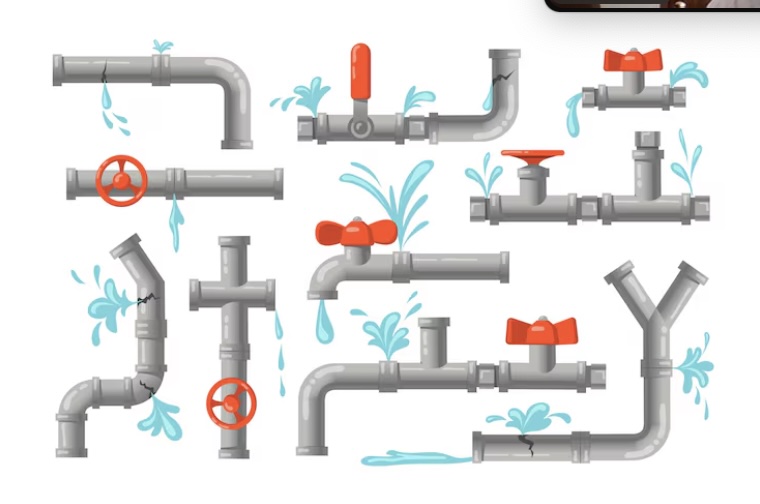
A broken content pipeline shows up as friction long before anyone names it as such. Teams struggle to reuse content because no one trusts what already exists. Reviews take longer because stakeholders debate meaning instead of intent. Legal and compliance concerns surface late and force rewrites that ripple across systems.
Content lives in too many places and belongs to too many people, yet no one truly owns how it moves from idea to experience. This creates delays, duplicated effort, and inconsistent outcomes. Over time, the organization loses confidence in its ability to communicate clearly and consistently.
Why do large organizations struggle to maintain meaning at scale?
Meaning at scale requires more than volume. It requires alignment. In large organizations, content is produced by many teams with different goals, timelines, and incentives. Without shared structure, each team solves the same problems in slightly different ways.
Language standards are implied rather than defined. Message priorities are assumed rather than documented. Content types evolve organically instead of intentionally. As a result, meaning erodes as content moves across teams and channels. The organization produces more content, but users receive less clarity.
How does treating content as output contribute to the problem?
Many organizations treat content as the result of work rather than a driver of it. Design, product, and marketing decisions are made first, and content is added later to support those choices. This positions content as something that reacts rather than something that leads.
When content is treated as output, teams are forced to resolve meaning under pressure. They negotiate language late in the process, when changes are expensive and difficult to coordinate. This approach increases risk and makes consistency nearly impossible to sustain at scale.
What role does the Content-First Design Framework play in fixing the pipeline?
The Content-First Design framework addresses pipeline breakdowns by changing when and how content decisions are made. Instead of starting with layout or features, teams begin by defining meaning. They clarify what needs to be said, why it matters, and how it should be understood before execution begins.
By treating content as infrastructure, the framework helps teams establish shared language rules, message priorities, and content structures early. This creates a stable foundation that supports collaboration across disciplines and reduces late-stage surprises that slow delivery.
How does a content-first approach support meaning at scale?
Meaning at scale depends on consistency without rigidity. A content-first approach makes this possible by separating intent from expression. Teams agree on core messages, language standards, and content types, while still allowing flexibility in how those elements are applied across contexts.
When meaning is defined upstream, content can travel across products, channels, and regions without losing coherence. Teams spend less time debating wording and more time ensuring that content serves user needs and business goals. This is how organizations scale communication without scaling confusion.
Why does content governance matter more than content volume?
Governance is often misunderstood as control, but in practice it provides clarity. In large organizations, governance defines who decides what, when decisions are made, and how changes propagate across systems. Without it, content pipelines rely on personal knowledge and informal negotiation.
The Content-First Design framework treats governance as a core component of content infrastructure. Clear ownership, documented standards, and shared processes reduce friction and enable faster, more confident decision-making. Governance does not slow teams down. It prevents them from solving the same problems repeatedly.
What changes when content becomes part of the operating model?
When content is embedded into the operating model, teams stop working around it and start working with it. Discovery includes content decisions. Design reviews address meaning as well as interaction. Launch readiness includes content readiness, not just visual polish.
This shift improves efficiency because fewer decisions are deferred. It improves quality because content is tested and refined earlier. Most importantly, it restores trust in the pipeline, both internally and with users.
Where should organizations start fixing the content pipeline?
Fixing the pipeline does not require a complete overhaul. Organizations can begin by identifying where content decisions are currently delayed or duplicated. Bringing content roles into discovery, documenting language rules, and defining core content types are practical first steps.
Applying the Content-First Design framework helps teams move these decisions upstream, where they are easier to manage and less costly to change. Over time, these shifts compound into a more resilient and scalable system.
What is the long-term impact of a content-first pipeline?
A content-first pipeline supports clarity over time, not just at launch. It allows organizations to adapt without rewriting everything from scratch. It enables AI and automation by providing the structure those systems depend on. It also protects meaning as teams and channels continue to grow.
When content stops breaking, organizations stop firefighting. They communicate with consistency, move with confidence, and scale without losing trust. That is the real value of fixing the content pipeline and placing content-first design at the center of how work gets done.